Home / Shelter Path / How to Read Wind Before Making Camp
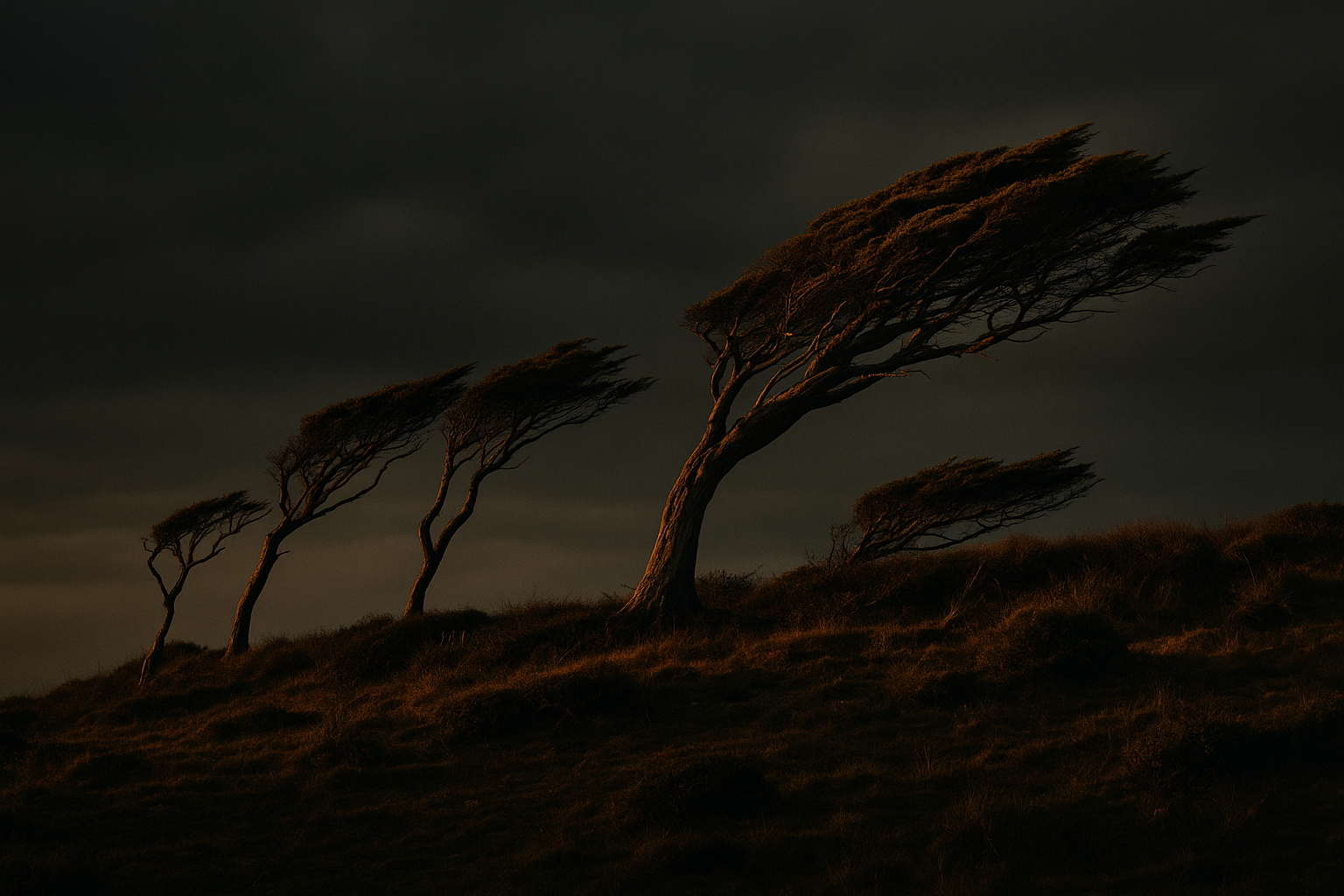
Wide shot of wind-bent trees on an exposed ridgeline at golden hour, dark and grounded tones, illustrating how to read wind before making camp.
SHELTER · FIELD GUIDE · STEP 3 OF 7

How to Read Wind Before Making Camp

Wind steals heat faster than cold air alone ever will, and it runs through terrain the same way water does. This guide teaches how to read wind channels before you feel them, and why the wind at 5pm isn't the wind you'll sleep in.

Written by SRL Field Team · Updated 2026-07-12 ✓ Field Verified
windcampsite-siting
SRL-SHL-003 · print-ready · SRL Editorial Standard · 2 sources cited
6 minRead Time
BeginnerDifficulty
2Sources Cited
Field Rules
  1. 01Avoid siting directly in or facing a gap, saddle, or exposed shoulder, even when the ground looks ideal.
  2. 02Set your shelter's back and lowest wall toward the prevailing wind direction shown by the trees.
  3. 03Choose your site based on terrain shape, not the wind you feel at setup.
Get the Free Field Sheet Continue the Learning Path →
SHELTER PATH

Build this skill in sequence.

LEARNING PATH PROGRESS
Shelter Path — you're on step 3 of 7 7/7 published
WHAT YOU'LL LEARN

4 things, read in order.

INTERACTIVE DIAGRAMS

See the terrain, not just read it.

2 field diagrams from the SRL diagram system. Switch between them.

WHY THIS DIAGRAMSpot the terrain shapes — saddles and gaps — that accelerate wind the way channels accelerate water.
Wind channel over a saddle EXPOSED GAP LEEWARD CAMP
Saddles and gaps accelerate wind the same way they accelerate water.
WHY THIS DIAGRAMChoose a leeward wall orientation from tree-shape evidence rather than wind felt on arrival.
Leeward siting OPEN SHOULDER BACK TO WIND
Set your lowest wall toward the prevailing wind shown by the trees, not the wind you feel right now.
SIGN 01 / 03

Spot Wind Channels and Exposed Terrain

The shape of the land funnels wind exactly the way it funnels water.

WHAT TO LOOK FOR

Saddles, gaps between hills, narrow valley mouths, and open ridgelines or shoulders.

WHY IT MATTERS

Gaps and draws accelerate wind, and exposed shoulders give you a view at the cost of your warmth.

WHAT TO DO

Avoid siting directly in or facing a gap, saddle, or exposed shoulder, even when the ground looks ideal.

FIELD TIP

One-sided tree crowns and branches trailing in a single direction record the prevailing wind direction with no waiting required.

COMMON MISTAKE

Choosing a site for its view. Open, wind-scoured ground with thin leaf litter is a long-term wind record, not a coincidence.

SIGN 02 / 03

Site on the Leeward Side

A leeward position blocks direct wind without trapping still, damp air.

WHAT TO LOOK FOR

The downwind side of a rise, dense stand of timber, or a solid, non-hazardous deadfall.

WHY IT MATTERS

Blocking direct wind keeps you warmer without fully sealing off airflow.

WHAT TO DO

Set your shelter's back and lowest wall toward the prevailing wind direction shown by the trees.

FIELD TIP

Compare how exposed the site feels to a spot fifteen to twenty feet further behind the terrain feature.

COMMON MISTAKE

Judging wind only by conditions on arrival.

SIGN 03 / 03

Account for Wind That Changes After Dark

Evening calm is unreliable — terrain-driven wind often starts after you've already built.

WHAT TO LOOK FOR

Terrain that funnels cold air as well as wind — valley mouths, saddles, and open slopes.

WHY IT MATTERS

Downslope (katabatic) wind and temperature-driven airflow often begin well after sunset.

WHAT TO DO

Choose your site based on terrain shape, not the wind you feel at setup.

FIELD TIP

If nearby trees show consistent flagging in one direction, that direction is your design wind regardless of the current hour.

COMMON MISTAKE

Reversing a good terrain-based decision because the evening happens to feel still.

DECISION CARD

No clear leeward spot available? Prioritize blocking the terrain-indicated prevailing wind over blocking the wind you currently feel.

MISTAKE CARD

Setting up in a gap or saddle for the view or the flat ground. Both features are almost always more exposed than they first appear.

FIELD RULE

Trust the trees over the moment. Evening calm is a liar.

HONEST LIMITATIONSThis is a siting technique, not a storm forecast — wind direction can still shift with an incoming front regardless of terrain. Combine with weather-sign reading before committing to an exposed multi-night camp.
This article's actual product
1-PAGE FIELD SHEET
How to Read Wind Before Making Camp
PDF · LETTER/A4
Identify saddles, gaps, or exposed shoulders nearby and avoid facing them
One-sided tree crowns checked for prevailing wind direction
Site chosen on leeward side of a rise, timber, or solid deadfall
Shelter's lowest wall set toward the prevailing wind
Terrain-based decision held even if evening feels calm
Open Printable Field Sheet
print-ready·offline-first·SRL-SHL-003
Get the Free Field Sheet
Free, direct download — no account required.
SOURCES

What this guide is built on.

  • Basic mountain meteorology references (katabatic and valley wind patterns)
  • Traditional bushcraft siting guides

See our Editorial Standard for how sources are reviewed.

PREVIOUS STEP
RELATED SKILLS

Keep the next reference close.

NEXT IN SHELTER PATH — STEP 4 OF 7

Natural Shelter Locations Explained

A natural feature can save you hours of building time, but only if it passes the…

Continue the Path →