Home / Shelter Path / Natural Shelter Locations Explained
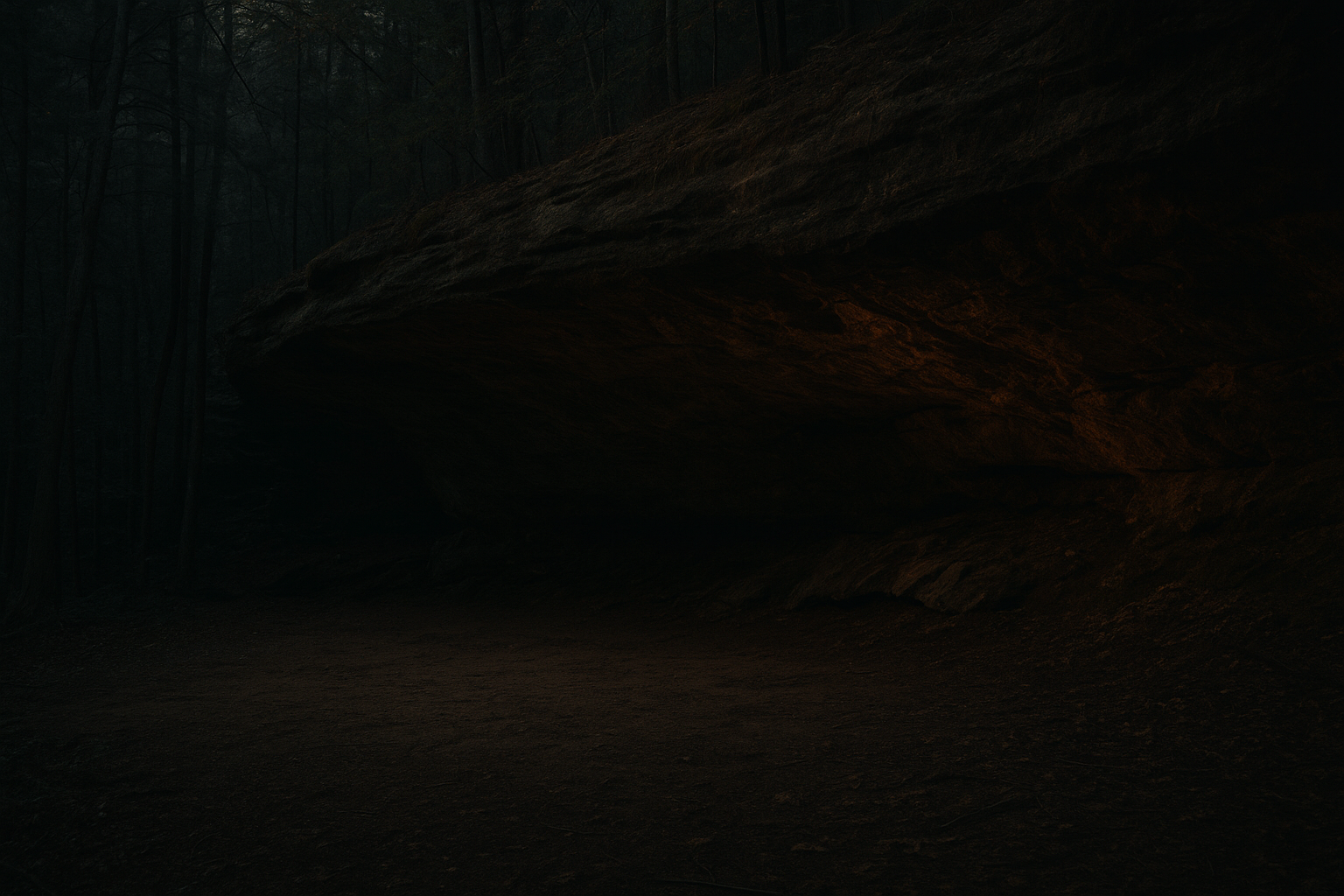
Wide shot of a shallow rock overhang with dry ground beneath it, forest surroundings, moody dusk light, dark and grounded tones, illustrating natural shelter locations explained.
SHELTER · FIELD GUIDE · STEP 4 OF 7

Natural Shelter Locations Explained

A natural feature can save you hours of building time, but only if it passes the same hazard checks as a built shelter. This guide covers rock overhangs, deadfall root wells, and dense conifer stands — and how to tell a good one from a dangerous one.

Written by SRL Field Team · Updated 2026-07-12 ✓ Field Verified
natural-shelterlow-gear
SRL-SHL-004 · print-ready · SRL Editorial Standard · 2 sources cited
6 minRead Time
IntermediateDifficulty
2Sources Cited
Field Rules
  1. 01Check the ceiling for loose or cracked rock before committing, and confirm the floor doesn't show old flood or debris lines.
  2. 02Test the trunk or root wall for stability before leaning weight or a structure against it.
  3. 03Choose a stand with overhead hazard already cleared and a dry needle bed rather than bare or wet ground.
Get the Free Field Sheet Continue the Learning Path →
SHELTER PATH

Build this skill in sequence.

LEARNING PATH PROGRESS
Shelter Path — you're on step 4 of 7 7/7 published
WHAT YOU'LL LEARN

4 things, read in order.

INTERACTIVE DIAGRAMS

See the terrain, not just read it.

2 field diagrams from the SRL diagram system. Switch between them.

WHY THIS DIAGRAMJudge overhang safety by ceiling stability and flood history, not just apparent dryness.
Rock overhang cross-section LOOSE CEILING DRY FLOOR
A good overhang has a stable ceiling and no old flood or debris lines on the floor.
WHY THIS DIAGRAMApply the same overhead hazard-scan discipline to natural shelter as to a built one.
Natural-site hazard scan SITE HAZARD CHECK
Natural shelter still needs the same overhead and structural hazard scan as a built one.
SIGN 01 / 03

Rock Overhangs and Shallow Caves

Zero construction effort, but a ceiling that has to earn your trust first.

WHAT TO LOOK FOR

A rock overhang with a dry floor, no loose material on the ceiling, and no sign of recent rockfall.

WHY IT MATTERS

A good overhang blocks rain and wind with no building, but a bad one is a rockfall or flash-flood hazard.

WHAT TO DO

Check the ceiling for loose or cracked rock before committing, and confirm the floor doesn't show old flood or debris lines.

FIELD TIP

Look for animal sign — an already-occupied overhang needs a different site, not a shared one.

COMMON MISTAKE

Assuming any overhang is automatically safer than an open site. Ceiling stability matters more than shelter from rain.

SIGN 02 / 03

Fallen Tree Root Wells and Deadfall

A structural head start, if the wood itself is still sound.

WHAT TO LOOK FOR

A large fallen tree with an intact root mass or trunk usable as a windbreak or lean-to frame.

WHY IT MATTERS

Deadfall can save significant building effort, but only if the wood hasn't rotted.

WHAT TO DO

Test the trunk or root wall for stability before leaning weight or a structure against it.

FIELD TIP

Push firmly against the wood; solid wood resists, punky or rotten wood gives or crumbles.

COMMON MISTAKE

Building against deadfall without checking whether it's still settling — a root well can shift days after the tree fell.

SIGN 03 / 03

Dense Conifer Stands

Thick canopy sheds rain and wind better than most cover you could build.

WHAT TO LOOK FOR

Thick, low-branching evergreens, especially ones with a dry needle bed already shed underneath.

WHY IT MATTERS

Dense conifer canopy blocks rain and wind, and the needle bed underneath insulates from the ground.

WHAT TO DO

Choose a stand with overhead hazard already cleared and a dry needle bed rather than bare or wet ground.

FIELD TIP

Check how much light passes through the canopy — the less light, the better the shedding.

COMMON MISTAKE

Picking the biggest tree without checking canopy density; a tall, sparse tree gives far less real protection than a shorter, dense one.

DECISION CARD

If a natural site passes the same seven-sign ground read and shows no structural hazard, it beats a built shelter on time and effort every time.

MISTAKE CARD

Forcing a dramatic-looking natural feature to work when it fails a basic hazard check. Impressive is not the same as safe.

FIELD RULE

A natural shelter still has to pass the same site read as a built one.

HONEST LIMITATIONSThis assumes the ground-read and overhead-hazard checks from earlier in the path have already been run on the specific spot — a good-looking natural feature on bad ground is still bad ground.
This article's actual product
1-PAGE FIELD SHEET
Natural Shelter Locations Explained
PDF · LETTER/A4
Overhang ceiling checked for loose or cracked rock
Overhang floor checked for old flood or debris lines
Deadfall/root well push-tested for stability
Conifer stand checked for overhead hazard and canopy density
Full site read (slope, drainage, wind, cold pockets) still applied
Open Printable Field Sheet
print-ready·offline-first·SRL-SHL-004
Get the Free Field Sheet
Free, direct download — no account required.
SOURCES

What this guide is built on.

  • Traditional bushcraft shelter references
  • Basic geology / rockfall hazard awareness materials

See our Editorial Standard for how sources are reviewed.

PREVIOUS STEP
RELATED SKILLS

Keep the next reference close.

NEXT IN SHELTER PATH — STEP 5 OF 7

How to Build a Debris Hut Shelter

Once you've read the ground, cleared overhead hazards, and either found or ruled…

Continue the Path →