Home / Fire Path / How to Find Dry Tinder After Rain
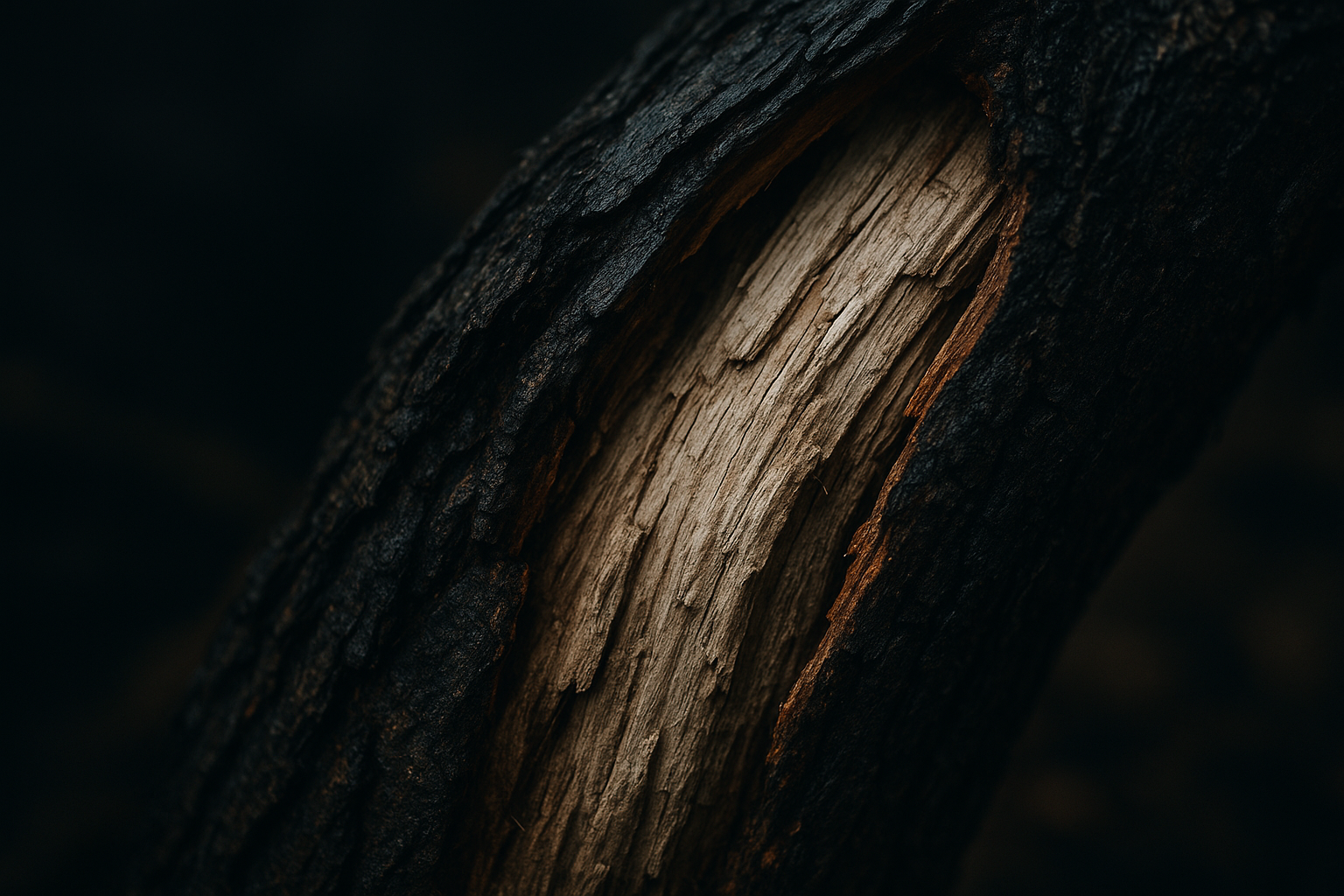
Close, textured shot of split dead wood revealing a dry pale interior against wet dark bark, dramatic side light, dark and grounded tones, illustrating how to find dry tinder after rain.
FIRE · FIELD GUIDE · STEP 1 OF 7

How to Find Dry Tinder After Rain

After rain, the forest floor is the worst place to look for tinder — and the best material is usually still standing, or hidden just under a wet surface. This guide teaches where to look and how to test what you find before you commit to processing it.

Written by SRL Field Team · Updated 2026-07-12 ✓ Field Verified
wet-weatherfire-craft
SRL-FIR-001 · print-ready · SRL Editorial Standard · 2 sources cited
5 minRead Time
BeginnerDifficulty
2Sources Cited
Field Rules
  1. 01Snap-test small dead branches at chest height and above.
  2. 02Baton or split a dead branch and shave the dry interior into fine curls for your actual tinder.
  3. 03Check the downwind side of large trees and under thick conifer branches close to the trunk.
Get the Free Field Sheet Continue the Learning Path →
FIRE PATH

Build this skill in sequence.

1Find Dry2Build Fire3Not yet published4Not yet published5Not yet published6Not yet published7Not yet published
LEARNING PATH PROGRESS
Fire Path — you're on step 1 of 7 2/7 published
WHAT YOU'LL LEARN

4 things, read in order.

INTERACTIVE DIAGRAMS

See the terrain, not just read it.

2 field diagrams from the SRL diagram system. Switch between them.

WHY THIS DIAGRAMSearch for dry tinder in the right vertical order instead of starting at the wet ground.
Tinder search order Standing dead branches driest Split interior wood dry Sheltered microspots variable Forest floor litter wettest
Search top to bottom — the driest material is rarely on the ground.
WHY THIS DIAGRAMJudge how deep to shave a feather stick to reach genuinely dry wood.
Feather-stick shaving depth Outer surface wet 1-2mm in damp Core dry — shave this
Shave past the wet surface to the dry core before building your tinder bundle.
SIGN 01 / 03

Look Up, Not Down

Wood still attached to a standing tree sheds rain and dries faster than anything on the ground.

WHAT TO LOOK FOR

Standing dead branches still attached to the tree, especially low on the trunk and in dense conifers; bark curls and dead twigs that never touched the ground.

WHY IT MATTERS

Wood on the ground absorbs and holds moisture; standing dead wood sheds rain and dries faster once it stops.

WHAT TO DO

Snap-test small dead branches at chest height and above.

FIELD TIP

Break a branch in half — a clean snap with no bend means it's dry inside even if the surface feels damp.

COMMON MISTAKE

Searching the forest floor first. Ground-level material is almost always the wettest available after rain.

SIGN 02 / 03

Go Inside the Material

Rain wets surfaces fast but takes time to soak into solid wood.

WHAT TO LOOK FOR

Standing dead trees, snapped branches, and split logs — the outside will be wet, the inside usually isn't.

WHY IT MATTERS

Splitting or shaving exposes dry material underneath a wet surface.

WHAT TO DO

Baton or split a dead branch and shave the dry interior into fine curls for your actual tinder.

FIELD TIP

Shavings that curl tightly and hold together are dry; shavings that tear or feel cool and damp are not ready.

COMMON MISTAKE

Trying to light whole wet branches directly. Surface moisture smothers a small flame before it reaches the dry core.

SIGN 03 / 03

Check Sheltered Microspots

Wind-driven rain rarely wets every surface evenly.

WHAT TO LOOK FOR

The dry side of standing dead trees, dense conifer canopy, rock overhangs, and the underside of large deadfall.

WHY IT MATTERS

The leeward side of a trunk or under thick canopy often stays drier through an entire storm.

WHAT TO DO

Check the downwind side of large trees and under thick conifer branches close to the trunk.

FIELD TIP

Genuinely dry material feels warm-neutral and brittle; damp material feels cool and slightly flexible.

COMMON MISTAKE

Giving up on natural tinder and processing green wood, which won't ignite regardless of how fine it's cut.

DECISION CARD

If your best material still fails the snap test, keep searching standing dead wood before processing anything — a feather stick made from damp wood is wasted effort.

MISTAKE CARD

Collecting a large pile of questionable material instead of a small amount of confirmed-dry material. Volume doesn't fix moisture.

FIELD RULE

Dry is inside, not outside. Split before you judge.

HONEST LIMITATIONSThis covers finding and preparing tinder — it assumes a reliable ignition source and basic fire-lay knowledge. Wet-wood fire-building technique is covered separately.
This article's actual product
1-PAGE FIELD SHEET
How to Find Dry Tinder After Rain
PDF · LETTER/A4
Standing dead branches, snap-tested at chest height or above
Split or batoned to expose dry interior wood
Feather-stick shavings that curl tightly, not tear
Leeward/sheltered side of large trunks checked
Touch-test confirms warm-neutral, brittle material before processing
Open Printable Field Sheet
print-ready·offline-first·SRL-FIR-001
Get the Free Field Sheet
Free, direct download — no account required.
SOURCES

What this guide is built on.

  • Traditional bushcraft tinder and fire-craft references
  • Basic dendrology field guides

See our Editorial Standard for how sources are reviewed.

RELATED SKILLS

Keep the next reference close.

NEXT IN FIRE PATH — STEP 2 OF 7

How to Build Fire With Wet Wood

Wet-wood fires are won or lost before you ever strike ignition. This guide cover…

Continue the Path →